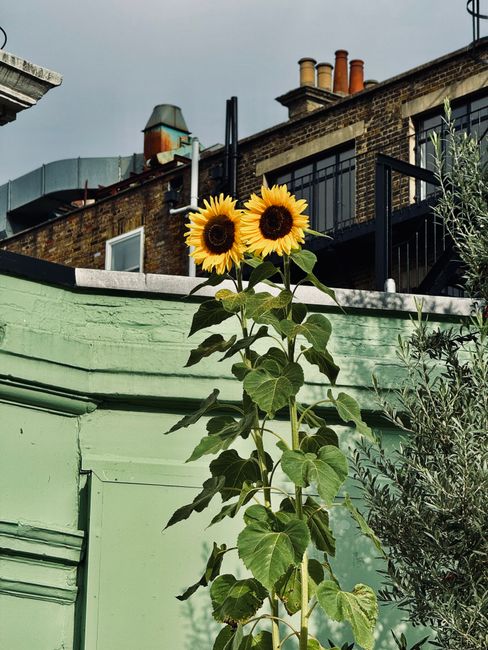
Roof terrace gardening near Chalk Farm station experts
Roof terraces in Chalk Farm can be brilliant little escapes. One minute you're hearing traffic and station noise, the next you've got a pocket of greenery, a chair, a mug of tea, and a view that feels miles away from London. But let's be honest: roof terrace gardening is not the same as gardening at ground level. Wind, weight limits, sun bounce from nearby buildings, awkward access, and thirsty containers all change the game.
That is why people look for roof terrace gardening near Chalk Farm station experts. You want someone who understands the practical side as much as the pretty side. Not just plant choice, but drainage, maintenance, safety, and how to make a space work week after week, not just for the first photo. This guide walks through what expert roof terrace gardening involves, how it works, what to avoid, and how to plan a terrace that feels calm, durable, and genuinely usable.
If you are comparing services, it can also help to look at the wider range of support available through the services overview and, for ongoing upkeep, garden maintenance. Those pages are useful context if you want the terrace to stay tidy rather than slide quietly into chaos by late summer. Happens all the time, frankly.
Table of Contents
- Why Roof terrace gardening near Chalk Farm station experts Matters
- How Roof terrace gardening near Chalk Farm station experts Works
- Key Benefits and Practical Advantages
- Who This Is For and When It Makes Sense
- Step-by-Step Guidance
- Expert Tips for Better Results
- Common Mistakes to Avoid
- Tools, Resources and Recommendations
- Law, Compliance, Standards, or Best Practice
- Options, Methods, or Comparison Table
- Case Study or Real-World Example
- Practical Checklist
- Conclusion
- Frequently Asked Questions
Why Roof terrace gardening near Chalk Farm station experts Matters
Roof terraces are a different breed of garden. They can look simple from the street, but the real work sits underneath: root choice, load awareness, wind exposure, irrigation, access routes, and the way water moves after a heavy rain. In a busy area near Chalk Farm station, those details matter even more because buildings are often close together and the terrace may be exposed to gusts that surprise you on an otherwise mild day.
Expert help matters because a terrace garden is part landscape, part structure, and part ongoing maintenance plan. Get the balance wrong and you may end up with waterlogging, blown-over planters, scorched leaves, or a space that feels messy half the year. Get it right and the terrace becomes one of the most useful rooms in the property. Outdoors, yes, but still a room.
There is also a lifestyle angle. Many Chalk Farm properties are tight on outside space. A roof terrace can become the only place for herbs, seating, pollinator-friendly planting, or a bit of visual privacy. Good planning turns a small area into a genuinely flexible one. A bad plan turns it into a row of sad pots and a drain that keeps blocking. Not ideal.
If you are already thinking about making the whole roof terrace work as a larger outdoor scheme, it may be worth exploring landscape gardening and, where structure or surfaces need attention, landscaping. Those services often sit naturally alongside roof terrace planting because the best terrace gardens usually need both design thinking and practical installation.
Expert summary: A good roof terrace garden is not just planted. It is designed for wind, weight, drainage, access, and maintenance so it still looks good six months later, not just on day one.
How Roof terrace gardening near Chalk Farm station experts Works
In practice, roof terrace gardening starts with assessment. An experienced team will look at how the terrace receives sun, where wind funnels through, what the surface is made of, whether there is existing waterproofing, and how water drains away after rain. That early look prevents expensive mistakes later. You do not want to discover drainage issues after everything is planted. That is one of those lessons people only want to learn once.
Next comes the planting strategy. Roof terraces usually do best with container planting, modular planters, lightweight soil blends, and species that can tolerate exposure. This is where expertise really shows. Some plants love a sunny south-facing balcony and collapse the moment a north-westerly wind arrives. Others are boring in the best possible way: resilient, tidy, and willing to keep going without fuss.
Then there is the construction layer. A proper setup may include raised planters, screening, decking or seating zones, and careful routing so people can move around without constantly stepping through wet mulch or crushing seedlings. If timber or raised platforms are part of the design, it is wise to keep the terrace plan aligned with decking services. The right hardscape makes planting easier to enjoy and easier to maintain.
Finally, the maintenance rhythm is built in. That means feeding, trimming, seasonal planting refreshes, irrigation checks, clearing leaves, and monitoring the health of plants exposed to stronger weather than ground-level gardens. Roof terrace gardening is not a one-and-done job. It is more like keeping a good kitchen running: simple when systems are in place, chaotic when they are not.
Key Benefits and Practical Advantages
People often begin with the visual appeal, and fair enough. A well-designed roof terrace looks fantastic. But the practical benefits matter too, especially in London.
- Better use of limited space: A roof terrace can provide real planting room where a traditional garden is not available.
- More privacy: Tall plants, layered containers, and screens can soften sightlines from neighbouring buildings.
- Improved atmosphere: Greenery reduces the hard feel of concrete, glass, and brick, which is especially welcome in urban settings.
- Flexible entertaining space: With the right layout, the terrace can switch between quiet retreat, dining spot, and social area.
- Seasonal interest: Careful plant selection keeps the space alive through more than one season instead of looking good for two weeks in June and then giving up.
- Potentially easier control: Containers can be easier to manage than sprawling borders, especially when access is limited.
The best part? You can shape the garden to suit your lifestyle. If you want low maintenance, that is possible. If you want herbs, scent, and softer textures, that is possible too. You do not need a huge terrace to make a strong effect. You need a plan that respects the site.
For spaces that need a proper clear-out before planting begins, garden clearance can be a sensible first step. Starting clean saves a lot of faffing later, and sometimes a terrace needs a full reset before it can become something elegant again.
Who This Is For and When It Makes Sense
Roof terrace gardening near Chalk Farm station experts are a good fit if you fall into any of these situations:
- You have a terrace that feels bare, windy, or underused.
- You want a design that looks polished but still survives real weather.
- You are moving into a flat or townhouse and need help making outside space liveable.
- You already have containers, but they are patchy, tired, or badly arranged.
- You need a maintenance plan, not just a planting refresh.
- You want privacy from nearby homes without creating a dark, heavy feel.
It also makes sense when the terrace has practical constraints. Maybe access is awkward and materials need to be carried carefully. Maybe the parapet wall limits what can be installed. Maybe the sun is intense for a few hours and then gone. These are normal conditions in London, not deal-breakers. They just need thoughtful handling.
There are also times when expert help is especially sensible: after a renovation, when water management has changed, when existing planters are failing, or when you want the terrace to support entertaining, wildlife, or year-round use. If the space is small but important, that is exactly when careful design pays off. Truth be told, small spaces punish sloppy decisions faster than large ones do.
Step-by-Step Guidance
Here is a practical way to approach a roof terrace project without getting overwhelmed.
1. Start with a proper site review
Look at sun, shade, wind, access, drainage, and how people will actually use the space. Walk the terrace at different times of day if you can. Morning light and late-afternoon glare can tell you very different things.
2. Decide the main purpose
Is the terrace mostly for relaxing, growing herbs, hosting people, or screening views? Pick the main purpose first. You can always add secondary uses, but a garden without a clear purpose tends to become a bit of everything and good at nothing.
3. Choose containers and materials carefully
Use containers that suit both the style and the structural limits of the terrace. Lightweight materials are often useful, but durability matters too. Drainage holes, saucers, and water-resistant finishes all matter more than most people expect.
4. Build in planting layers
Combine taller structural plants, mid-level fillers, and lower spillers or herbs. Layering gives visual depth and helps the terrace look considered, not just crowded. It also softens the hard edges of railings and walls.
5. Plan irrigation and watering
Containers dry out fast on exposed terraces. Even in spring, a sunny day can leave plants gasping by evening. Decide whether manual watering is realistic or whether a more consistent irrigation method is needed.
6. Add privacy and shelter where needed
Windbreak planting, screens, trellis work, and careful furniture placement can make the space feel calmer. A terrace that is pleasant in still weather but miserable in a breeze needs redesign, not just more cushions.
7. Set a maintenance rhythm
Regular deadheading, clipping, feeding, and seasonal replacement keep the terrace tidy. Without a rhythm, containers become ragged surprisingly quickly. You may notice it first in August, when everything is a bit tired and you cannot quite put your finger on why.
If you want a more structured ongoing plan, garden maintenance can help keep the space in shape without letting small problems turn into larger ones.
Expert Tips for Better Results
These are the details that often separate a decent terrace from a genuinely great one.
- Use a restrained plant palette. Too many species can look busy and become harder to maintain. Three to six strong plant types often work better than fifteen random ones.
- Prioritise wind tolerance. Even sheltered roofs can funnel gusts. Go for sturdy stems and flexible structure rather than brittle, top-heavy choices.
- Keep some things movable. Portable pots and lightweight furniture let you adapt to seasonal changes and light shifts.
- Mix evergreen structure with seasonal colour. That way the terrace still feels alive in winter rather than hollow and a bit forlorn.
- Think about sightlines from inside. What you see from the kitchen or living room matters almost as much as the terrace itself.
- Leave room for maintenance access. If every planter is jammed together, watering and pruning turn into a mini obstacle course.
One small but valuable trick: place the most demanding plants closer to the door or tap, where they are easiest to reach. It sounds obvious after the fact, but you would be surprised how many terraces put the needy herbs at the far end. Not the best life choice for those basil plants, really.
For work involving pruning or shaping taller planting, the support of hedge trimming can be useful where screening plants or clipped forms are part of the design. And if trees or larger woody plants are involved in a broader setting, tree lopping and removal may be relevant when safety or light access becomes an issue.
Common Mistakes to Avoid
A lot of terrace problems are preventable. Here are the repeat offenders.
- Ignoring weight and load considerations: Heavy planters, wet compost, and large water features can add up quickly.
- Using the wrong soil: Standard garden soil is often too dense for containers and may hold too much water.
- Poor drainage: If water sits around roots, plants suffer and surfaces can become messy or slippery.
- Choosing plants for a garden centre look rather than a terrace reality: Pretty is fine. Hardy is better.
- Forgetting maintenance access: If you cannot easily water or prune a plant, it will eventually show.
- Overcrowding: New terraces often start with enthusiasm and end up too full to enjoy.
- Skipping seasonal review: What worked in May might be wrong by October.
Another common issue is trying to make the roof terrace do too much at once. Seating, dining, herbs, privacy, colour, storage, and wildlife support can all live together, but only if the layout is disciplined. Otherwise the space gets noisy. Visually noisy, I mean, though at times literally noisy too if furniture shifts in the wind.
Tools, Resources and Recommendations
Good roof terrace gardening is built with ordinary tools used well, not magical equipment. A sensible kit usually includes:
- Lightweight containers with drainage
- Quality compost suited to container planting
- Hand pruners and secateurs
- Watering can or hose access, where permitted and practical
- Gloves, trowels, and a small hand fork
- Plant ties, clips, and supports for wind-prone specimens
- Mulch or top dressing to reduce drying out
- A seasonal calendar for feeding, pruning, and replacements
If the terrace needs a complete fresh start, combining planting with a wider tidy-up can be smart. A professional team may recommend garden clearance before installation and then phased upkeep afterwards. That approach helps avoid planting into clutter, which is never as efficient as it sounds.
For customers who care about responsible disposal and a cleaner lifecycle for old materials, recycling and sustainability is worth considering as part of the planning stage. It is a practical way to reduce waste when old soil, broken pots, or tired fixtures need replacing.
Law, Compliance, Standards, or Best Practice
Roof terrace projects can touch on several practical compliance points, even if the work itself is straightforward. The exact requirements will depend on the building, lease, management company, and scope of work. So the safest approach is to treat compliance as a design input, not an afterthought.
In the UK, best practice usually includes checking load limits before adding heavy planters, confirming waterproofing is not compromised, and making sure drainage remains clear. If the building is shared or leasehold, permission may be needed for structural changes, fixed installations, or anything that affects the roof surface. That bit is easy to overlook when excitement kicks in.
Safe access matters too. Materials should be moved carefully, especially where lifts, stairwells, or narrow routes are involved. Good contractors will also think about manual handling, edge protection, and the practical risks of working at height. You do not want the glamorous rooftop reveal to become an awkward insurance conversation.
For reassurance around standards and operational care, it can help to review health and safety policy details, along with insurance and safety information. If you are comparing providers, pricing and quotes is also useful so expectations are clear before work begins. Clear paperwork is not exciting, but it does keep everyone calmer.
Where access arrangements, payment terms, or service boundaries matter, terms and conditions and payment and security pages are worth a look. It is the sort of sensible admin that prevents confusion later on.
Options, Methods, or Comparison Table
There is no single right way to build a roof terrace garden. The best method depends on your budget, the amount of time you want to spend maintaining it, and the feel you want to create.
| Approach | Best for | Pros | Watch-outs |
|---|---|---|---|
| Container-only planting | Small terraces and flexible layouts | Easy to rearrange, relatively simple to install | Needs regular watering and feeding |
| Raised planter scheme | Defined zones and stronger visual impact | Looks structured, helps organise space | Can be heavier and more expensive |
| Mixed terrace design with decking and planting | Entertaining spaces and layered use | Good balance of comfort and greenery | Needs careful detailing and maintenance |
| Low-maintenance evergreen terrace | Busy households and landlords | Reliable through the seasons, less upkeep | Can feel too plain if not designed well |
For many people near Chalk Farm station, the mixed approach works best. A bit of structure, a bit of softness, and enough flexibility to deal with changing weather. That said, if you barely have time to water a mug, let alone a terrace, then low-maintenance design is the honest answer. Better to have less and enjoy it than have more and dread it.
Case Study or Real-World Example
Imagine a compact terrace above a flat near Chalk Farm, with west-facing afternoon light, a breezy edge, and not much privacy from nearby windows. The owner wants somewhere to sit after work, some herbs for cooking, and a garden that does not turn into a weekend chore.
The first step is clearing out the old mix of broken pots, dead annuals, and a planter that has seen better decades. Then the layout is split into three zones: a seating edge close to the door, a screened planting run along the exposed side, and a small herb cluster where it is easy to reach for watering. Tall but manageable evergreens create a buffer, while softer seasonal plants provide colour without overwhelming the terrace.
The result is not a mini countryside. It is better than that. It is a usable, comfortable roof terrace that feels like part of the home and still looks neat on a Tuesday evening when nobody is pretending for the camera. The owner is not spending every weekend rescuing plants, which is usually the real victory.
If a project like that needs a first phase of preparation, about us information can help you understand the approach behind the work, while contact us is the place to start if you are ready to discuss your own terrace setup. That may sound simple, but simple is often what works best.
Practical Checklist
Use this checklist before you begin or commission work on a roof terrace garden.
- Check sunlight, shade, and wind exposure at different times of day.
- Confirm drainage points are clear and functioning.
- Review the surface condition and any waterproofing concerns.
- Decide the main purpose of the terrace.
- Choose a plant palette suited to exposed urban conditions.
- Keep container weight and access routes in mind.
- Plan how watering will happen in peak summer.
- Allow room for maintenance access and furniture movement.
- Make sure screening and privacy features do not make the space gloomy.
- Set a seasonal maintenance routine before planting starts.
- Consider clearance, removal, or a reset if the space is cluttered.
- Check any leasehold, building, or management approvals needed before installation.
That is the practical stuff. It is not glamorous, but it saves money, time, and a fair bit of annoyance later. And yes, it really does matter whether a plant can survive a windy terrace in October. It just does.
Conclusion
Roof terrace gardening near Chalk Farm station experts bring together planting knowledge, layout thinking, and a proper understanding of rooftop conditions. That mix is what turns an exposed, underused surface into a place you actually want to spend time in. Not just once. Repeatedly, week after week, through the messy bits of the British weather.
The main thing to remember is that terrace gardens succeed when design and maintenance are considered together. Start with the site, choose resilient plants, leave room for access, and think ahead to watering, pruning, and seasonal change. Do that, and even a modest space can feel surprisingly generous.
Get a free quote today and see how much you can save.
And if you are still weighing things up, that is fine too. A good roof terrace is worth taking a little time over. Once it works, it changes how the whole home feels.
Frequently Asked Questions
What makes roof terrace gardening different from normal garden design?
Roof terrace gardening has to deal with wind, weight, drainage, and access in ways that ground-level gardens usually do not. That means plant choice and materials need more care.
Can any roof terrace be turned into a garden?
Not automatically. Most can be improved, but the structure, surface, access, and waterproofing all need to be considered first. Sometimes the answer is a full garden, sometimes a lighter planting scheme is better.
What plants work best on a roof terrace near Chalk Farm?
Plants that cope with exposure, drying conditions, and changing light generally do best. The exact mix depends on whether your terrace is sunny, shady, sheltered, or open to strong wind.
How much maintenance does a roof terrace garden need?
That depends on the design. Container-heavy terraces usually need regular watering, feeding, and deadheading, while evergreen or low-maintenance schemes need less day-to-day attention.
Do I need planning permission for roof terrace gardening?
Not always, but permission or approval may be needed for structural changes, fixed installations, or leasehold restrictions. It is sensible to check before work begins.
How do experts handle drainage on a roof terrace?
They look at existing drainage points, avoid blocking them, and choose planters and materials that do not trap water. Good drainage is one of those invisible things that only gets noticed when it goes wrong.
Is roof terrace planting expensive?
It can be modest or quite involved, depending on the materials, plants, and hard landscaping needed. A simple container scheme costs less than a fully built terrace with screening and custom planters.
What should I do before starting a terrace planting project?
Clear the space, check the structure and drainage, decide the main purpose, and think about how much maintenance you can realistically manage. A clear brief saves a lot of backtracking later.
Can a roof terrace garden be low maintenance?
Yes, if the design is planned properly. The trick is choosing sturdy plants, limiting the number of needy species, and using a layout that makes watering and pruning easy.
Why use roof terrace gardening near Chalk Farm station experts instead of doing it myself?
Because experience helps avoid mistakes that are expensive or annoying to undo. An expert can spot issues with weight, exposure, and maintenance before they become problems.
Can roof terrace gardens include decking or seating areas?
Absolutely. In many cases, the best terraces combine planting with seating or decking so the space feels practical as well as attractive. Just make sure the layout still allows access to plants and drains.
How do I know if my current terrace needs a full reset?
If the space is cluttered, the drainage is poor, the plants are tired, or the layout no longer suits how you use it, a reset may be the sensible option. Sometimes starting fresh is faster than patching for another year.