Gardeners access tips for narrow yards near Camden Lock
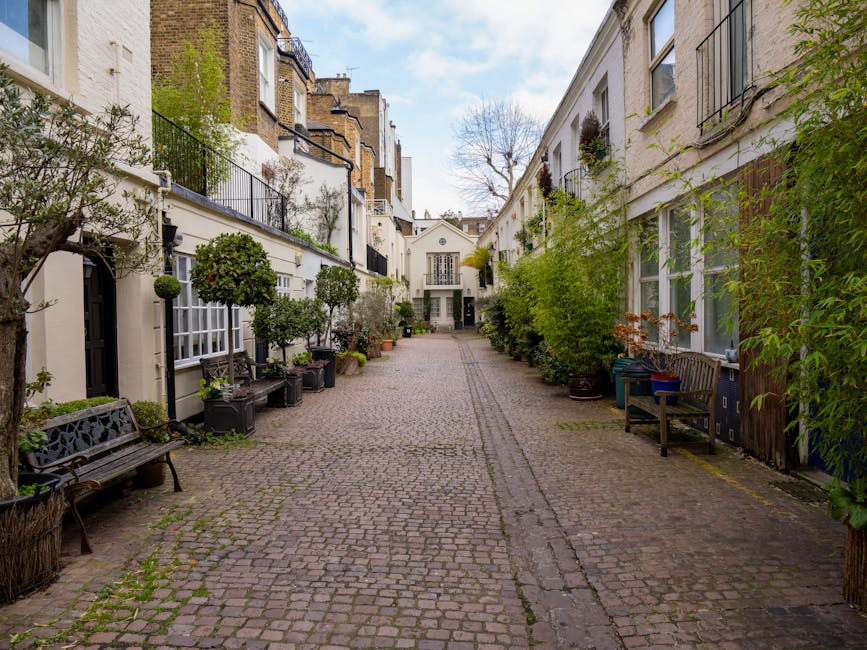
If you manage a narrow yard near Camden Lock, you will already know the awkward bits: bins tucked by the gate, planting beds squeezed along a brick wall, and no room to swing a wheelbarrow without bumping a fence. Gardeners access tips for narrow yards near Camden Lock are not just about squeezing through a tight passage. They are about planning the whole visit so work gets done safely, neatly, and without turning your garden into a bottleneck of tools, soil, and half-open gate panels.
In this guide, we'll look at how professionals approach access in compact Camden gardens, what makes the space different, which methods save time, and where the common headaches usually appear. You'll also find a practical checklist, a comparison table, and a realistic example from a small yard setup. Nothing fluffy. Just the sort of advice that helps on a wet Tuesday when you need the job done properly.
Table of Contents
- Why access planning matters in narrow yards
- How access planning works on site
- Key benefits and practical advantages
- Who this is for and when it makes sense
- Step-by-step guidance
- Expert tips for better results
- Common mistakes to avoid
- Tools, resources and recommendations
- Law, compliance, standards, or best practice
- Options, methods, or comparison table
- Case study or real-world example
- Practical checklist
- Conclusion
- Frequently Asked Questions
Why Gardeners access tips for narrow yards near Camden Lock Matters
Narrow yards near Camden Lock tend to have a few things in common: limited side access, awkward step-downs, older boundary walls, shared alleyways, and surfaces that are often already tight for movement. Some have a perfectly decent garden layout on paper, but once you try to get equipment in, reality becomes a different story. That is where access planning stops being a nice extra and becomes the core of the job.
Good access affects more than convenience. It changes how long work takes, how much disturbance the homeowner experiences, and whether a gardener can finish tasks efficiently in one visit or has to return because the right materials could not be brought through easily. In cramped urban spaces, a small mistake can mean damaged paving, crushed edging, or a lot of unnecessary carrying back and forth. Let's be honest, nobody wants that.
It also matters because narrow access can create safety issues. Carrying compost bags through a slim passage or turning a full trug on a wet surface sounds simple until it isn't. If a professional understands the space before arrival, they can bring the right kit, choose the right sequence of work, and keep the whole visit calmer. Calmer usually means better results too.
For many homeowners, the real worry is not the gardening itself. It is whether the gardener can actually get to the parts that need attention. Can hedge trimmings be removed without trailing debris through the kitchen side return? Will lawn mowing leave enough turning space? Can clearance work be handled without blocking the only usable path? These are the questions worth asking early.
How Gardeners access tips for narrow yards near Camden Lock Works
The basic idea is straightforward: before the work starts, the access route is assessed, the job is broken into manageable sections, and the tools are chosen around the space rather than forcing the space to fit the tools. That sounds obvious, but plenty of garden jobs go wrong because people treat access as an afterthought. In a narrow Camden yard, it should be part of the plan from the first conversation.
Professionals usually think in layers. First comes entry access: gates, side passages, front paths, or shared service routes. Then comes working access: the space needed to move between beds, lawn, borders, decking edges, and storage points. Finally comes waste access: how cuttings, soil, and bulky debris will leave the site without causing mess or delays.
In practical terms, that may mean smaller hand tools instead of oversized power tools, collapsible tubs instead of rigid bins, or a work order that starts at the farthest point and moves back towards the exit. A gardener might also protect tight routes with boards or mats, especially where paving is narrow or soft after rain. Simple stuff. Still, it saves a lot of hassle.
Access planning also works differently depending on the task. Routine maintenance is one thing. Full garden clearance is another. Hedge trimming may need clear edge access and overhead awareness, while decking work may require repeated movement of materials through the same route. A good gardener will choose the method based on how the yard behaves in real life, not just on a photo.
Key Benefits and Practical Advantages
When access is handled properly, the whole garden job becomes easier to live with. Not just easier to complete. There is a difference there, and you notice it quickly in a narrow yard where every step matters.
- Less disruption: careful movement through the space means fewer knocks, scuffs, and muddy footprints across paved areas.
- Faster work: tools and waste are moved in a logical sequence rather than repeatedly shuffled around.
- Better safety: reduced trip hazards, fewer awkward lifts, and clearer movement routes for everyone on site.
- Cleaner finish: debris is easier to contain when the access route has been thought through in advance.
- Lower risk of damage: walls, glass, gate hardware, and planting can all be protected more effectively.
There is another quiet benefit people often miss: better communication. Once the access route is discussed, the rest of the job becomes more predictable. The gardener knows where to park equipment. The homeowner knows which gate to keep clear. The work starts with fewer surprises, and that matters more than it sounds.
For urban homes near Camden Lock, that can be the difference between a one-off tidy-up and a properly maintained garden that stays usable through the year. In other words, access planning is not just logistics. It is part of the quality of the finished garden.
Who This Is For and When It Makes Sense
This advice is for anyone with a compact outdoor space where entry, movement, or waste removal is awkward. That might be a narrow terraced yard, a basement garden with a tight stairwell, a side return with barely enough room for a mower, or a courtyard-style space hidden behind a property with limited frontage.
It also makes sense if the garden has grown a little unruly. Truth be told, narrow yards can look manageable until you realise the hedge has swallowed half the walkway and the bins have created a permanent obstacle course. At that point, access becomes the first problem to solve, not the last.
The guidance is especially useful if you are arranging:
- regular garden maintenance visits
- seasonal hedge work through hedge trimming
- routine grass care with lawn mowing
- a larger tidy-up or end-of-season garden clearance
- more involved changes through landscaping or landscape gardening
If you are comparing providers, it is often worth checking how they talk about access, safety, and preparation. The service itself matters, of course, but the practical details say a lot about whether the team is used to working in tighter London spaces. A useful place to start is the services overview, which helps you see how different tasks fit together.
Step-by-Step Guidance
Here is the most sensible way to approach a narrow-yard job near Camden Lock. It is not glamorous, but it works.
- Measure the access route. Check gate width, passage width, step height, and any awkward turns. A tape measure and a quick phone photo can save a lot of guesswork.
- Identify choke points. Look for tight corners, low overhangs, fragile edging, slippery slabs, or areas blocked by bikes, planters, or bins.
- Match the tools to the route. Smaller cutting tools, compact lawn equipment, and hand-carry containers are often better than bulky kit in compact spaces.
- Plan the waste path. Decide how cuttings, bags, and removed material will leave the garden. If a route is narrow, avoid creating a second pile-up point halfway through the job.
- Protect surfaces. Use boards, mats, or careful lifting where paving or decking could be marked during movement.
- Work from the furthest point back. This keeps the route clear and avoids walking through fresh debris.
- Keep a landing zone. A small staging area near the entrance helps with bags, tools, and short rest stops. It sounds minor. It is actually very helpful.
- Do a final sweep of access points. Gates should close properly, routes should be clear, and nothing sharp or heavy should be left in the way.
A good practical example: if a gardener is pruning a narrow border hedge in a yard with a single slim side passage, they may cut in small sections, bag waste immediately, and move bags out in shorter trips rather than carrying a huge load once. That takes a little longer in the moment, but it reduces accidents and keeps the passage usable. Neat and steady usually wins.
Expert Tips for Better Results
From experience, narrow gardens reward people who think ahead by even ten minutes. That's the game. Small bits of planning go further than you'd expect.
Use compact, quiet, and easy-to-carry equipment where possible
In a tight yard, a smaller tool is often a smarter tool. It may not feel as impressive as a big machine, but it is easier to manoeuvre, easier to store between tasks, and less likely to damage edging or walls. For many city gardens, that is worth more than raw size.
Keep the route free of "temporary" clutter
Temporary clutter has a funny habit of becoming permanent clutter. One watering can, one compost bag, one bicycle wheel turned sideways, and suddenly the whole access route is compromised. Try to clear the working path before the gardener arrives. You will thank yourself later.
Work in zones, not in one big sweep
Breaking a narrow yard into sections helps the job feel less cramped. A small front section, a middle strip, and a back corner are easier to manage than trying to handle everything at once. It also helps the gardener keep track of what has already been cleared, pruned, or mown.
Think about sound and neighbours
Camden gardens are close together, and sound travels. Early morning hedge cutting or repeated gate banging can be irritating in a tightly packed street. Good timing and calm handling of equipment make the job feel smoother for everyone.
Ask about waste removal before the job begins
Waste is often where the real difficulty shows up. Cut branches are awkward in a narrow passage, and damp debris can be heavier than it looks. If you know waste will be significant, make sure the plan covers how it will be moved, sorted, and disposed of. Services such as recycling and sustainability can be useful to review if you want the waste handled responsibly.
Expert summary: In a narrow yard, the best access plan is usually the one that reduces lifting, shortens carrying distance, and keeps the route clear from start to finish. Simple, yes. But it is exactly where many jobs succeed or become a faff.
Common Mistakes to Avoid
There are a few mistakes that crop up again and again in compact garden work. Most are avoidable, which is the annoying bit.
- Not checking widths properly: "It should fit" is not a measurement. A gate that looks roomy from the kitchen window may be hopeless once a tool bag or mower is involved.
- Forgetting turning space: A tool may fit through a passage but still be difficult to turn or position at the work area.
- Leaving waste removal too late: If cuttings pile up, the route gets tighter and the job becomes harder.
- Using oversized kit: Bigger is not always better, especially if it slows movement and increases the chance of scraping surfaces.
- Ignoring ground conditions: Wet paving, mossy steps, and loose gravel can turn a narrow route into a slip risk.
- Blocking access with materials: Soil bags, pots, and stacked boards should never sit where they trap the only path out.
Another quiet mistake is assuming all gardeners work the same way. They do not. Some are very used to tight city spaces; others prefer broader gardens where access is easy and movement is simple. It is worth asking how they handle narrow entries, waste flow, and protective measures before booking.
Tools, Resources and Recommendations
You do not need a huge arsenal to manage a narrow yard well. In fact, restraint is often the better option. The useful kit is the kit that helps movement as much as it helps cutting, trimming, or clearing.
| Method or tool | Best use | Why it helps in narrow yards |
|---|---|---|
| Hand tools | Fine pruning, deadheading, edge tidying | Easy to carry, easy to control, less likely to clip walls or fencing |
| Compact electric equipment | Lawn and hedge work in smaller spaces | Less bulky than larger machines and simpler to position |
| Foldable tubs or lightweight bags | Waste collection and movement | Keep routes clearer and reduce the need for repeated bulky trips |
| Protective boards or mats | Surface protection on paving or decking | Helps avoid marks, scuffs, and muddy tracks |
| Section-by-section workflow | All access-limited jobs | Prevents the whole yard from becoming crowded at once |
If the garden has more structural issues, you may also want to think about whether small improvements would make access better over time. For example, carefully planned decking services can sometimes help define routes and reduce muddy bottlenecks, while broader landscaping work can make the garden easier to use in the long run.
For ongoing upkeep, the best "resource" may simply be a regular maintenance schedule. A narrow yard rarely benefits from being left until it becomes unruly. Small, frequent work is easier to access, easier to clear, and less stressful all round.
Law, Compliance, Standards, or Best Practice
This topic is mostly practical, but there are still a few UK best-practice points worth keeping in mind. Anyone working on a property should think about safe movement, reasonable care for surfaces, and avoiding unnecessary risks to people and property. That is especially true where access is tight and the margin for error is small.
For gardeners and property owners alike, the sensible approach is to treat access as a safety matter as well as a convenience matter. Good practice usually includes:
- keeping pathways clear enough to move without excessive lifting or twisting
- using appropriate personal protective equipment where needed
- reducing slip and trip hazards on wet or uneven ground
- avoiding overload when carrying bags, branches, or equipment
- checking for hidden hazards such as broken paving, loose steps, or protruding fixings
If you are hiring a professional, it is reasonable to ask how they handle insurance, site safety, and waste movement. You do not need a lecture, just clarity. Pages such as insurance and safety and the health and safety policy can help you understand the standards a business aims to follow. For practical housekeeping, terms and conditions and payment and security also matter because a tidy job goes hand in hand with clear arrangements.
If there are accessibility concerns on the property, it is sensible to raise them early. A narrow garden is one thing; a narrow garden with uneven access, steps, or mobility limitations is another. Clear communication helps avoid awkward surprises later. And yes, that includes the small things nobody mentions until they trip over them.
Options, Methods, or Comparison Table
Different narrow-yard jobs call for different access methods. There is no single perfect answer, which is mildly frustrating but also realistic. Here is a simple comparison to help you think it through.
| Approach | Best for | Pros | Trade-offs |
|---|---|---|---|
| Manual access with hand tools | Light maintenance, detail work, small courtyards | Flexible, low disturbance, easy to control | Slower for larger jobs |
| Compact machine access | Lawn and hedge tasks in modest spaces | Efficient, tidy finish, faster than purely manual work | Needs careful route planning |
| Staged clearance | Overgrown yards, seasonal tidy-ups | Keeps routes open and reduces congestion | Requires clear sequencing and waste planning |
| Combined maintenance and landscaping plan | Spaces needing long-term improvement | Can solve recurring access issues and improve layout | More upfront planning needed |
As a rule of thumb, the more cramped the yard, the more important sequencing becomes. A lot of people focus on the tool first. In reality, the order of the work is often what saves the day.
Case Study or Real-World Example
Imagine a narrow rear yard just off a Camden street near the Lock. The entrance is slim, the path turns at a right angle, and there is a small lawn with dense shrubs at the far end. Nothing unusual for the area, but enough to make access a bit fiddly.
On the first visit, the gardener walks the route before unloading anything. They notice the gate catches slightly, the turning space near the bin store is tight, and one section of paving is slick from shade and moisture. Rather than pushing straight in, they set up a small landing area just inside the entrance, bring in hand tools first, and keep all waste moving back out in smaller loads.
The hedge is trimmed in stages from the back corner forward, so cuttings never block the exit. The lawn is mown only after loose debris has been removed, which prevents clogs and gives a cleaner finish. A small deck edge is protected with boards while the heavier bags are carried out. No drama. No panic. Just a steady approach that respects the space.
That kind of method might sound a little over-cautious, but in a narrow yard it usually pays off. The job finishes tidily, the access route stays usable, and nobody has to apologise for a scrape on the wall. A good day's work, basically.
Practical Checklist
Use this checklist before any garden work in a narrow yard near Camden Lock.
- Measure gate width and any narrowest point in the route
- Check for steps, slopes, slippery slabs, or loose paving
- Clear bins, bikes, planters, and other obstacles from the access path
- Decide where tools will be staged during the job
- Plan how waste will leave the garden
- Confirm whether compact tools or hand tools are more suitable
- Protect vulnerable surfaces before work starts
- Agree the order of tasks so the route stays open
- Ask about safety, insurance, and waste handling
- Leave the garden with gates, paths, and exits clear at the end
If you can tick most of those off, you are already ahead of the curve. Really. It makes a difference.
Conclusion
Narrow yards near Camden Lock are perfectly workable, but they ask for a slightly smarter approach. Access planning is not a side issue; it is the thing that keeps the whole job tidy, safe, and efficient. When gardeners think carefully about route width, movement, waste removal, and surface protection, even a tight garden can be maintained without stress.
For homeowners, the best results usually come from clear communication and realistic expectations. Measure the space, describe the awkward bits, and choose a team or service style that understands compact urban gardens. That simple bit of preparation can save time, reduce mess, and make the final outcome feel much calmer.
Get a free quote today and see how much you can save.
And if your yard has been giving you that "too small to bother with" feeling, don't buy into it. With the right access plan, even a narrow garden can become a place you actually want to use again.
Frequently Asked Questions
How do gardeners get equipment into a narrow yard near Camden Lock?
They usually start by checking the smallest access point, then choose tools that fit the route rather than forcing larger equipment through. In many cases, hand tools, compact machines, and staged movement of materials are the easiest approach.
What is the best way to prepare a narrow yard before gardeners arrive?
Clear the access route of bins, bikes, storage items, and loose objects. If possible, give the gardener a quick note about gate width, steps, or slippery paving so they can plan the visit properly.
Can hedge trimming be done in a very tight garden?
Yes, usually. The key is to work in sections and keep cuttings moving out of the way as the job progresses. Narrow paths can still handle hedge work if the access route is not allowed to become cluttered.
Is garden clearance harder in small Camden yards?
It can be, because bulky waste needs to be moved through a limited route. That said, careful sequencing, smaller loads, and a tidy waste plan make a big difference. The job is more awkward, not impossible.
What should I tell a gardener about access before they visit?
Tell them about the gate width, the number of steps, whether there is side access, any low branches, and any areas that are hard to turn in. The more accurate the picture, the smoother the job usually goes.
Do narrow yards need special tools?
Often, yes. Compact tools, lighter bags, and smaller cutting equipment are more practical in tight spaces. The goal is not just to fit through the route, but to work safely once inside it.
How can I reduce mess in a narrow outdoor space?
Keep the access route clear, collect waste as you go, and protect surfaces where needed. A section-by-section approach is often cleaner than trying to do everything in one sweep.
What are the main safety risks in tight garden access?
Trips, slips, awkward lifting, and accidental damage to walls or paving are the main ones. Wet surfaces and cramped turns are especially worth watching in older London properties.
Is landscaping a better option than regular maintenance for difficult access?
Sometimes it is, especially if the layout itself is making access harder year after year. Better design can remove pinch points, but regular maintenance is still important to stop the problem returning.
How often should a narrow yard be maintained?
Usually more often than a larger garden. Smaller spaces can feel crowded quickly, so lighter but regular maintenance tends to keep access manageable and the garden more pleasant to use.
Should I ask about insurance and safety before booking a gardener?
Yes, that is sensible. In a tight garden, the risk of accidental damage or injury is higher than in a roomy plot, so it helps to know how the work is managed and what standards are followed.
Where can I read more about the services available?
A good starting point is the services overview, which gives a clearer picture of the work types available. If you need reassurance about the company itself, the about us page is also useful, and the contact us page is there when you are ready to ask a question.